Avni Doshi’s debut novel Burnt Sugar tells the story of a toxic mother-daughter duo who through their sameness are so entirely different. Our main character (of sorts) is Antara, the daughter of Tara, and she holds a lot of resentment towards her mother for her turbulent upbringing. Things only worsen when Tara begins to display symptoms of dementia causing Antara to feel yet another thing has been taken from her: the right to revenge on her mother. The story weaves a complicated tale by traversing through Tara’s past and Antara’s present- showing the audience how the relationship between the two has become so noxious and allowing us to speculate on the effects these events have had on Antara. Overall, Burnt Sugar provides a look into the ever complicated relationships between mothers and daughters and just how suffocating motherhood can be.
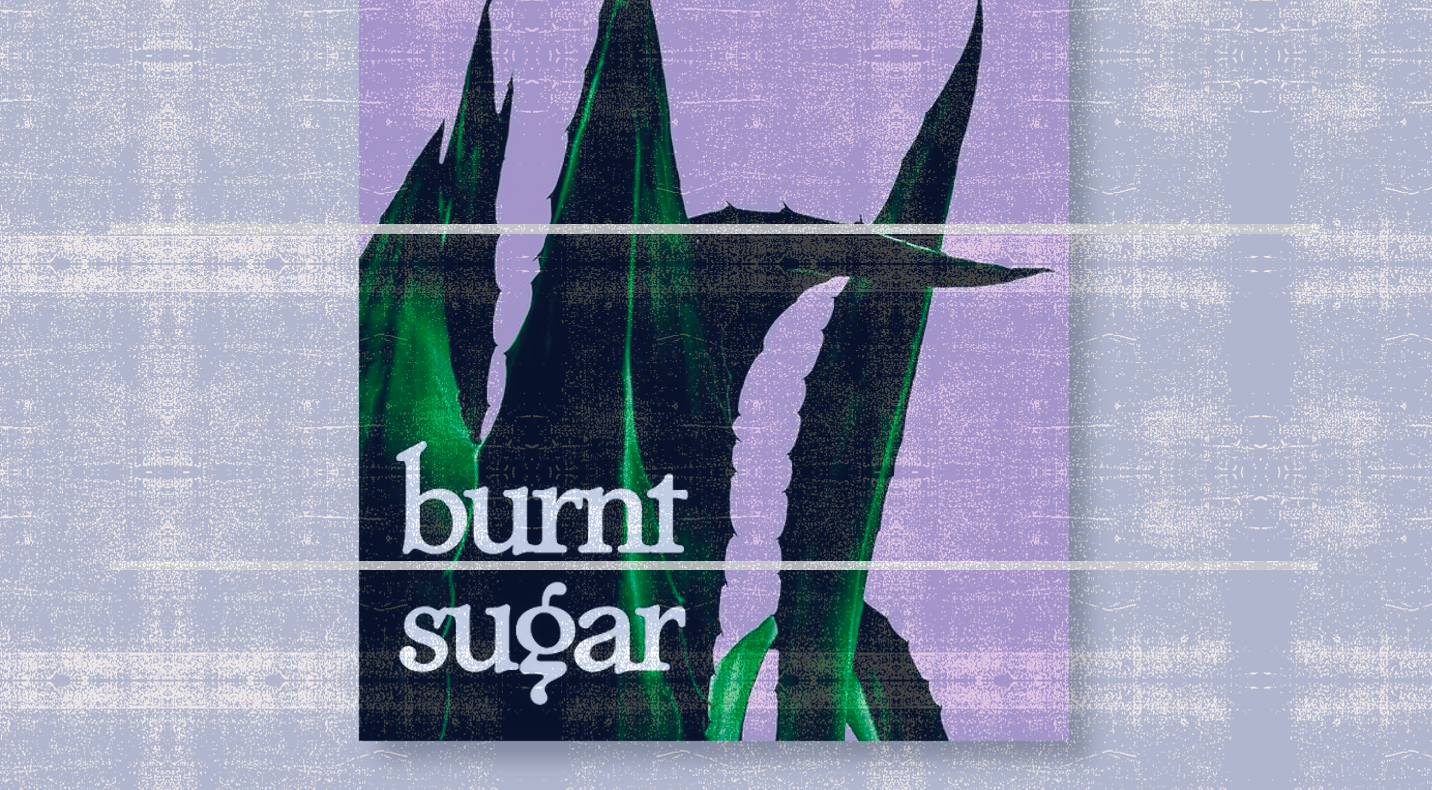
I was very excited to read this book as the cover is gorgeous and I am pleased to report the story is just as good. I was nervous at first since the time jumps were a little disorienting, but Doshi does a good job re-orienting us in Antara’s timeline. However, I realized that the way this book is written furthers the idea that Antara and Tara are just so intertwined to the point that all of Tara’s past influences Antara’s present and future. One aspect I really enjoyed was the overlying theme of emulation in this book. To me, it seems one of the main problems is that Antara does not see herself in Tara. She thinks of Tara as different and irresponsible and to Antara, a family looks the same and acts the same, “Soon, I itched like him, looked like him, was converted by his presence, and I knew I had met a member of my family” (108). In earlier chapters, Antara takes to mimicking her mother in subtle ways, but this trait turns volatile as Antara gets older. Instead of trying to be like her mother, she starts trying to be better than her. This back and forth is really the basis of the entire book and it leads to (or is the cause of) Antara feeling constantly left out of her own life that she has created. This feeling of disconnection is really the backbone of the entire novel and I think Doshi handles it well. There were a lot of comparisons to Shuggie Bain since this book also handles a toxic mother-child relationship, but Doshi takes a totally different route than Stuart does. Doshi does not give Tara the opportunity for redemption like Stuart did for Agnes. Though she never outwardly makes Tara the villain, Antara is so fed up with her mother that we don’t get those moments of seeing Tara as a mother in tough situations – to Antara, she is just a bad mother.
To me, the toxic relationship between Tara and Antara is the most interesting part of the novel. Antara recounts the countless times where she was truly let down as a child by her mother like when they were homeless after her mother left the ashram or when she was shipped off to an abusive boarding school because her mother refused to deal with her. Antara has basically become an adult who has never felt included in her entire life since her father was absent and her mother was always preoccupied with other things. This lack of attention has caused her to become obsessed with control and insistent on not being like her mother to the point where she will replicate aspects of Tara’s life just to do it better. She stays and has a child with Dilip which her mom failed to do with her father, and she had a deep connection with a man her mother once loved which eventually evokes immense jealousy and rage in Tara. In the final part of the book, Antara is forced to live through her worst fear when her mother co-opts her child, husband, and friends and tells everyone they are hers. This entire scene highlights what Antara feared the most: being ousted by her mother and her return to the rejection she faces shows how insistent she is on just wanting to be accepted.
To summarize my thoughts, I really enjoyed this book and its message that you don’t always have to be forgiving of those who hurt you was especially poignant to me who is sick of seeing the narrative that you always have to forgive those who have wronged you.
